Turpentine Mango Tree
Mangifera indica · 12-18 inches & 1-gal
$19.95
Listed on their site

Mango · Anacardiaceae
Also known as Mangifera amba, Mangifera anisodora, Mangifera austroyunnanensis, Mangifera laurina and 1 more synonyms. Common names: Amchur, Common mango, Indian mango, Mango tree.
Mango: a long-lived evergreen fruit tree for frost-free climates, available in hundreds of named cultivars.
Mango trees form broad, dense evergreen canopies with new growth flushing bronze or red. Panicles of small flowers in late winter and spring are followed by fruit in summer. For home gardens, grafted cultivars are recommended: they fruit within a few years, stay more compact and produce fruit true to type, whereas seedlings are slow and variable.
In humid climates choose anthracnose-tolerant cultivars, and keep trees to a manageable height with annual pruning after harvest.
Full sun for fruiting.
Water young trees regularly; reduce watering of mature trees in winter to encourage flowering.
Deep, well-drained soil; tolerates sand and limestone-based soils. pH 5.5–7.5.
USDA zones 10–11. Protect below about 32°F. Humidity: average.
Young trees: balanced fertilizer with micronutrients every 2–3 months in the growing season; mature trees need less nitrogen.
Prune after harvest to control height and open the canopy.
Grafting (cultivars); seed (polyembryonic types come true).
Anthracnose, powdery mildew, scale, mango seed weevil (where present).
Dwarf "condo" cultivars can be kept in large containers and pruned to 6–8 ft.
| Flowers | Yellow, pink · Late winter–spring |
|---|---|
| Fruit | Drupes ripening in summer; size, color and flavor depend on cultivar. Edible |
| Native range | Assam, China South-Central, East Himalaya, Myanmar, Thailand |
| Indoor / outdoor | Outdoors · Containers |
| Difficulty | Moderate |
| Toxicity | Pets: Not documented · People: Not documented Sap, peel and leaves contain compounds related to urushiol and can cause contact dermatitis in sensitive people. |
Listings come directly from nurseries. Contact them to buy — prices and stock are set by each nursery.
CC0 · no rights reserved, uploaded by 葉子 vi…
CC0 · no rights reserved, uploaded by 葉子 vi…
CC0 · no rights reserved, uploaded by 葉子 vi… 
 CC-BY · (c) Francisco Farriols Sarabia, some ri…
 CC-BY-SA · (c) Ton Rulkens, some rights reserved (…
 CC0 · no rights reserved, uploaded by 葉子 vi…
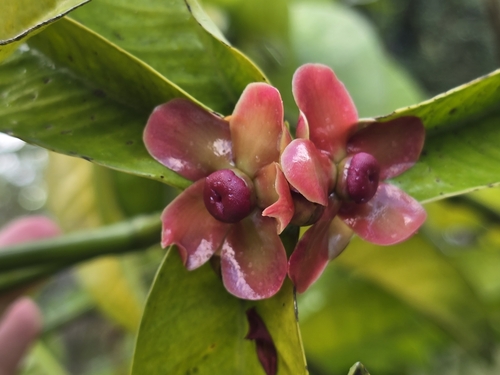 CC0 · no rights reserved, uploaded by Christi…
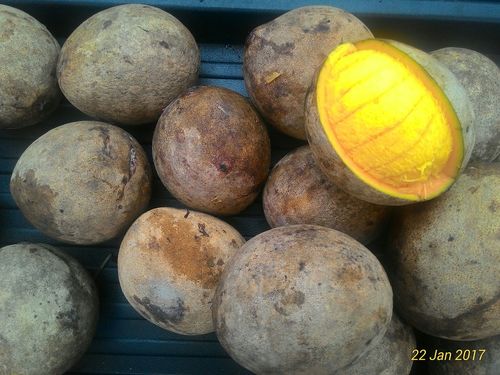 CC-BY-SA · (c) Ong Jyh Seng, some rights reserved …